
Chelsea sack Liam Rosenior after four months as club weighs next steps at Stamford Bridge
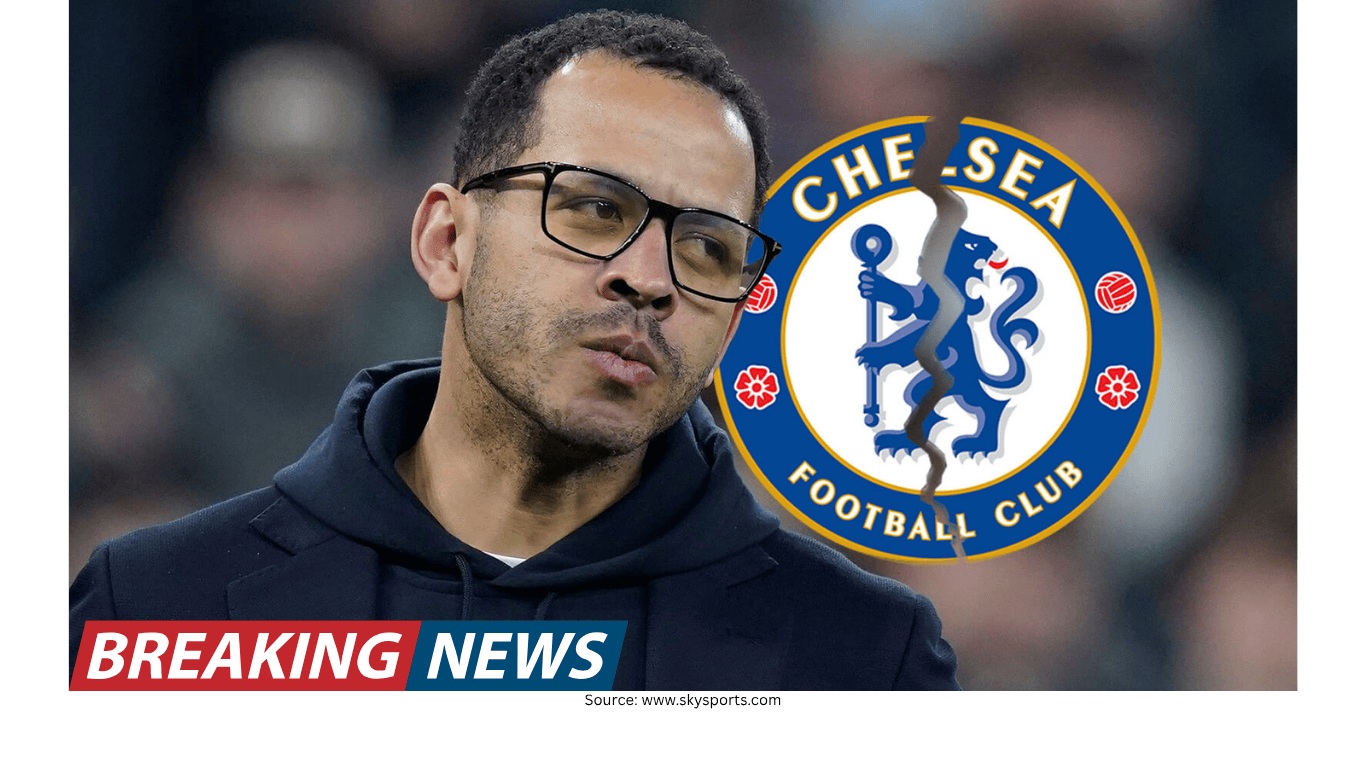
Rosenior’s short tenure ends amid a turbulent campaign
Chelsea have brought Liam Rosenior’s reign to an end after less than four months in charge, closing the chapter on a spell that began with long-term intent but unravelled quickly amid poor results and growing unrest. Rosenior was appointed in January on a six-year contract, a deal designed to signal stability. Instead, the club has moved on after a sequence of damaging performances, including seven defeats in the last eight matches, and with Champions League ambitions fading fast.
The decision came only days after Rosenior was publicly backed by co-owner Behdad Eghbali, who has been described as the most powerful figure at the club and the person who effectively runs it. Speaking at a sports business conference in Los Angeles, Eghbali said: “I think we are behind Liam. We think he can be successful long term.” Six days later, and after two more defeats, Rosenior was dismissed.
Chelsea have appointed Calum McFarlane as interim head coach until the end of the season. The 40-year-old is a familiar figure within the current set-up, having previously taken charge for two matches after Enzo Maresca left earlier in the year, overseeing a draw at Manchester City and a defeat at Fulham.
Public backing, then a swift reversal
The speed of the change has been one of the most striking elements of the latest twist in what has been described as a “soap opera” season at Stamford Bridge. Eghbali’s Los Angeles appearance was unusual in itself, with senior ownership figures rarely choosing to speak publicly about the football side of operations. Sources close to Chelsea insisted the timing was not intended as a pre-emptive move ahead of a planned anti-ownership demonstration by supporters before the weekend match against Manchester United, and that the conference engagement had been arranged months in advance.
Even so, the contrast between the public message and the subsequent decision has underlined the volatility around the club. Chelsea’s defeat to Manchester United was framed as pivotal for their Champions League hopes, and the fallout was compounded by late goals elsewhere on Sunday, scored by Liverpool and Aston Villa, which further damaged Chelsea’s prospects of finishing in the top five.
Despite that setback, Chelsea were still prepared to give Rosenior more time. But the manner of the defeat at Brighton proved decisive, with the performance described as shocking and the atmosphere around the team deteriorating.
The Brighton defeat and the sense that something had to change
Senior figures were present for the Brighton match, including Eghbali, sporting directors Paul Winstanley and Laurence Stewart, and recruitment director Joe Shields. The collective sense afterwards was that the situation had reached a point where action was required.
On the pitch, the signs were interpreted as those of a team no longer fully responding to its coach. The idea that a manager has “lost the dressing room” can be overused, but the performance against Brighton was cited as evidence that some players no longer believed in what Rosenior was trying to implement. There were also sustained chants from supporters calling for Rosenior to leave, a significant moment given that fan anger had often been directed primarily towards the ownership.
Rosenior’s post-match response also drew attention. He appeared shellshocked and turned on his players in interviews afterwards, a route that often narrows a manager’s options. Within the squad, it was suggested that some players were known to have been closer to Maresca than to Rosenior, including Marc Cucurella and Enzo Fernandez.
Chelsea’s sporting leadership group discussed options while the players had a day off. The question was whether Rosenior’s position could be stabilised or whether the club needed to move quickly. Ultimately, the call was made to sack him, with Eghbali described as the driving force behind the final decision.
McFarlane takes over, but only as a stopgap
With the season entering its final weeks, Chelsea’s immediate priority is to steady the team and salvage what they can from the remaining fixtures. That responsibility now falls to McFarlane, who has already experienced the pressures of a temporary stint at the helm earlier in the year.
The choice of an internal appointment reflects the limited time available and the complications of making a permanent hire mid-season. It also reflects a lack of ready alternatives that the club were willing to consider on an interim basis. While a high-profile former player might have been welcomed by supporters and could have provided a short-term lift, Chelsea opted against that route. It was stated that figures such as John Terry were not considered.
McFarlane’s remit is clear: lead the team to the end of the campaign. The bigger decisions are being pushed into the summer, when Chelsea expect to take their time over a permanent appointment.
No shortlist, no clear favourite: the summer search begins
One of the key considerations when a club sacks a manager during the season is succession planning. In Chelsea’s case, the situation is complicated by the fact that there is said to be no shortlist and no No 1 candidate at present. That absence of a clear plan has become part of the wider scrutiny of Chelsea’s current structure, which includes a large sporting leadership group.
Chelsea’s statement announcing Rosenior’s departure said the club would reflect before making a new appointment. That raises an obvious question: will the existing structure remain in place? The view from within is that there is unlikely to be “major surgery” at the football leadership level in the summer, but the club’s recent history suggests change is never far away.
As the recruitment process begins, Chelsea are expected to be linked with many names, and agents are likely to make contact. The club’s stated desire is to avoid repeating past mistakes. That points towards a manager with proven Premier League experience and/or a record of success at a high level.
Several coaches were mentioned as being available in the summer, including Andoni Iraola, Oliver Glasner and Xabi Alonso. Marco Silva was also referenced as someone who could leave Fulham next month. Cesc Fabregas, currently at Como, was described as a popular potential appointment, although it was also noted that he could end up at Arsenal one day.
Chelsea have also previously held talks and conducted interviews with a wide range of high-profile managers, including Luis Enrique, Hansi Flick, Julian Nagelsmann, Thomas Frank and Roberto De Zerbi. That history suggests the club’s process can be broad and intensive, even if it does not always deliver the stability supporters crave.
Champions League absence could shape the squad and the hire
The next head coach is likely to inherit a team without Champions League football, a factor that could influence both the attractiveness of the job and the decisions around the playing squad. It was suggested that this could affect the future of certain players, particularly Enzo Fernandez, who could be sold if Chelsea receive an offer of more than £100m.
In parallel, Chelsea are expected to target more experienced signings in the summer. This has been described as a “tweak” rather than a wholesale strategic overhaul, implying that the broader recruitment approach remains intact but will be adjusted to address perceived shortcomings.
Financial pressures and commercial implications
Chelsea’s financial position has been a major theme around the club, and missing out on the Champions League is expected to have tangible consequences. The club could take a hit of at least £80m from not playing in the competition next season, and it may also make it harder to secure a lucrative front-of-shirt sponsor, something Chelsea have been chasing.
The club’s latest accounts showed a loss of £262m, although it was noted that losses are expected to fall in the next set of figures. That expectation is linked to playing in the Champions League this season and winning the FIFA Club World Cup last summer.
These financial realities form part of the context in which the next managerial appointment will be made. The new coach will not only be judged on results and performances but will also operate under the constraints and expectations that come with Chelsea’s commercial ambitions and cost pressures.
A season of flashpoints, leaks and internal tension
Chelsea are no strangers to drama, but this season has produced a particularly long list of incidents and talking points. Among the moments referenced were the “infamous huddle,” allegations of a mole leaking team news, and Fernandez reportedly flirting with Real Madrid. There were also references to Cucurella lamenting Maresca’s departure and questioning how the club was being run, as well as Fernandez not being allowed to play in a crucial match against Manchester City.
Squad management decisions have also been part of the narrative. Axel Disasi, described as the team’s most in-form centre-back, has been playing for West Ham on loan after being frozen out at Chelsea. In attack, the contrast between Nicolas Jackson’s trophy wins at Bayern Munich and Liam Delap’s return of one league goal all season has been cited as another example of how decisions have been questioned.
Even off-field details have become part of the story. Cucurella’s barber was mentioned for allegedly leaking team news on social media before the Brighton match, a detail that illustrates how the club’s internal issues have spilled into the public domain.
Maresca’s exit and the argument that the manager mattered
While Rosenior’s dismissal is the latest headline, the wider assessment of Chelsea’s season points back to the period around the turn of the year, when Maresca walked out after feeling undermined. That moment was described as the point at which the campaign was derailed.
At the same time, there is an argument within the club’s story that the manager can be central to the outcome. It was noted that nine of the players who featured in the heavy defeat at Brighton also played in a 3-0 victory over Barcelona five months earlier. That contrast has been used to support the view that, amid all the noise, the coach’s influence can still be decisive.
Contract settlement and a familiar Chelsea pattern
Rosenior’s long contract might have suggested a costly separation, but a break clause means Chelsea will not have to pay the full remaining six years. He is due a seven-figure sum, described as a fair settlement for both sides.
His departure also places him in familiar company. Chelsea have a history of sacking managers, including some of the biggest names in the modern game. Carlo Ancelotti, Jose Mourinho, Thomas Tuchel and Roberto Di Matteo were all mentioned as examples of high-profile figures who have been dismissed at Stamford Bridge, with Tuchel and Di Matteo both leaving after winning the European Cup.
For now, the immediate focus is on the short-term: McFarlane’s interim spell and the attempt to bring calm to a team and fanbase that have endured a season of constant upheaval. The longer-term question, however, is whether Chelsea can use the summer to make a measured appointment, align the squad with that coach’s approach, and reduce the cycle of instability that has come to define the club’s recent years.
Key points at a glance
- Liam Rosenior has been sacked less than four months into a six-year contract after losing seven of the last eight games.
- Calum McFarlane will take charge as interim head coach until the end of the season.
- Chelsea are said to have no shortlist and no clear No 1 candidate for the permanent role.
- Missing out on Champions League football is expected to affect both recruitment and finances, with a potential hit of at least £80m.
- A break clause means Rosenior will receive a seven-figure settlement rather than the full value of his remaining contract.