
Liverpool’s Champions League run ends at Anfield as PSG complete 4-0 aggregate win
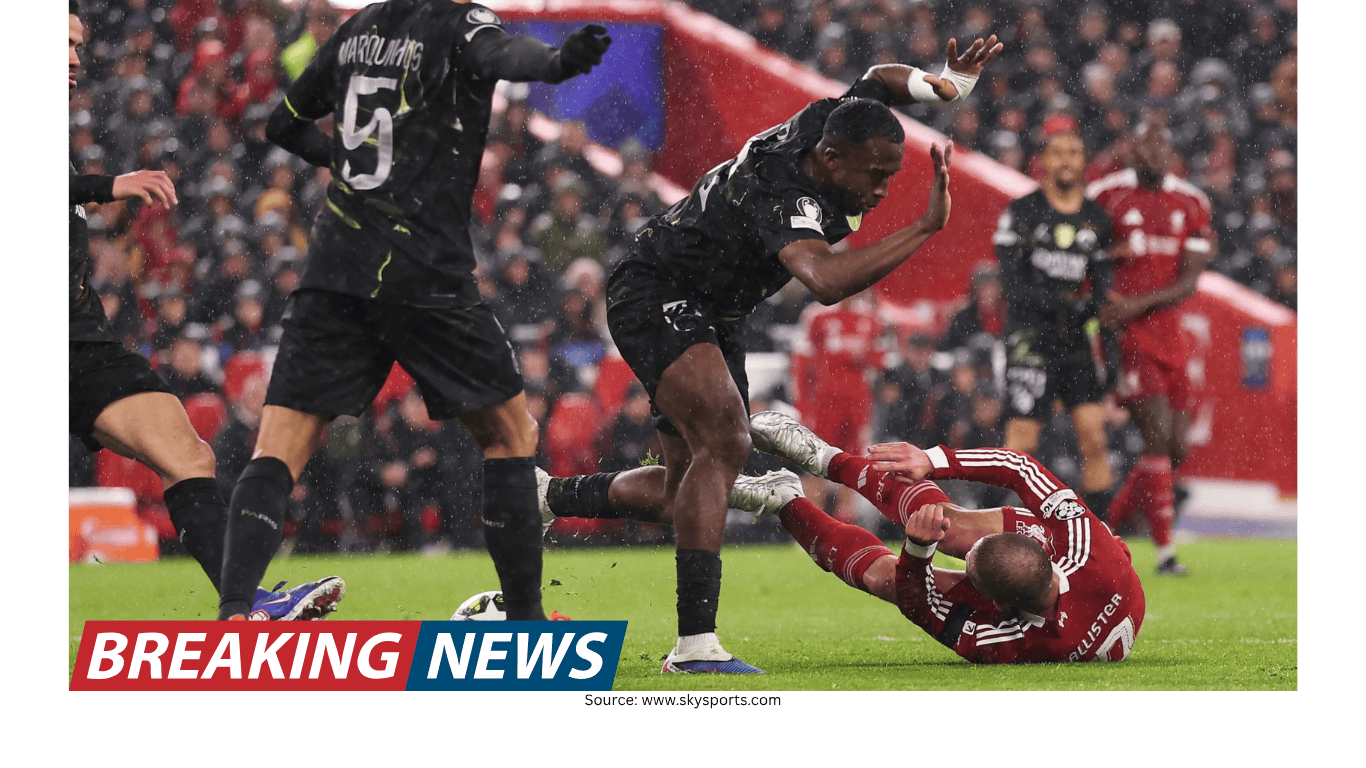
PSG finish the job at Anfield to knock Liverpool out
Liverpool’s UEFA Champions League campaign ended at Anfield as Paris Saint-Germain secured a 2-0 win on the night to complete a 4-0 aggregate victory in the quarter-finals. With Liverpool needing a comeback after losing by two goals in Paris, the home side began with urgency and intent, backed by an Anfield crowd ready to believe. But while Liverpool’s tempo and endeavour caused problems for long spells, PSG’s composure and precision proved decisive.
Ousmane Dembele, later named player of the match, struck twice in the second half to confirm Liverpool’s exit and send PSG into the semi-finals. The result also underlined a familiar theme for Liverpool this season: strong periods of play without the clinical edge required at the highest level.
Liverpool start fast, but key moments go against them
Arne Slot’s side entered the second leg facing a difficult task after the first-leg defeat, yet the performance at Anfield was described as spirited and, at times, unsettling for the European champions. Liverpool pressed aggressively and looked to force early momentum, creating moments that lifted the stadium and hinted at the kind of famous European night the crowd craved.
The first half brought Liverpool’s clearest opportunities. Virgil van Dijk came close when Marquinhos cleared from near the line, a moment that captured the fine margins of the tie. Liverpool also thought they had a route back into the contest when a penalty was initially awarded for a foul on Alexis Mac Allister. However, the decision was overturned following a VAR review, a flashpoint that left Liverpool frustrated and feeling that a crucial chance had been taken away.
Even within the match narrative, there was acknowledgement that the original penalty award was soft, but the subsequent reversal remained contentious given there was contact. Liverpool defender Ibrahima Konate was unequivocal in his view, arguing that the spot-kick should have stood and that converting it could have changed the direction of the night. The sense around Anfield was that the tie was poised for a swing in momentum, and that this was the moment it might have happened.
Dembele’s late double turns pressure into a PSG win
Despite Liverpool’s intensity and improved tempo, PSG’s ability to manage difficult spells and then strike with greater accuracy ultimately settled the contest. Dembele punished Liverpool twice late in the game, turning a tense evening into a controlled outcome for the visitors. Liverpool threw bodies forward in search of the breakthrough they needed, but PSG’s sharper execution in decisive moments separated the two teams.
PSG head coach Luis Enrique later reflected on the challenge Liverpool posed, describing the home side’s intensity and acknowledging that his team had to suffer at times. He also pointed to the importance of fortune in such ties, suggesting that conceding early could have made the match far more complicated. As Liverpool took increasing risks, PSG found opportunities to counter-attack and, in Enrique’s words, “kill the match off,” even if it took longer than he would have preferred.
Slot’s selection gambles and in-game changes
Slot’s approach was assertive. He started Alexander Isak and then introduced Mohamed Salah for the injured Hugo Ekitike before the break, a change that underlined Liverpool’s urgency. Later, when Slot replaced Joe Gomez with Rio Ngumoha, the substitution fed the sense inside the stadium that Liverpool were going all-in on an Anfield turnaround.
Those decisions reflected the reality of the situation: Liverpool needed goals, and quickly. The team’s willingness to commit numbers forward was clear, and for periods PSG were pushed back. Yet the final outcome showed how difficult it is to convert pressure into goals when the finishing touch is missing, and when the opponent retains the capacity to punish mistakes.
Injury concern for Ekitike adds to Liverpool’s disappointment
The night also brought a major concern for Liverpool with Hugo Ekitike forced off injured in the first half. The forward went down, attempted to continue, and then fell again clutching what appeared to be his Achilles. The reaction on the pitch suggested immediate worry, including from PSG players who appeared concerned by what they had seen.
Slot did not hide his anxiety when speaking afterwards, saying the injury “looks really bad” while stressing that the severity would be assessed further. Liverpool’s immediate focus was on the match, but the incident cast a shadow over the evening and left uncertainty about the player’s short-term future.
The VAR debate and a moment that might have changed the tie
The overturned penalty decision became one of the defining talking points. Liverpool felt they were building momentum, and the possibility of pulling a goal back on aggregate would have shifted the atmosphere and the tactical balance. Konate argued that scoring from the spot would have made the situation “completely different,” and the logic was clear: a goal at that stage would have reduced the aggregate deficit and amplified the pressure on PSG.
Commentator Tim Sherwood, analysing the incident, also maintained that the contact was enough for a penalty and that Mac Allister was entitled to go down. Sherwood’s broader assessment was that Liverpool were the better team on the night and suggested the tie was effectively lost in the first leg, questioning why Liverpool did not “have a go” earlier in the away match.
Finishing and efficiency: Liverpool’s recurring issue on a big night
Beyond individual moments, Liverpool’s elimination was framed by a wider pattern. Slot pointed to a season-long problem of failing to convert chances, describing an ongoing underperformance relative to expected goals. The numbers provided a stark context: Liverpool came into the match having scored 24 goals from an expected-goals total of 27.8 in the Champions League this season, the biggest underperformance among the eight quarter-finalists.
That theme continued against PSG. Liverpool registered 21 shots but forced only five saves. The volume indicated sustained attacking intent, but the lack of precision told the other story: rushed finishes, misplaced passes at key moments, and hesitant decision-making when a decisive action was required. In a match where Liverpool needed to score early to transform the tie, those small failures accumulated into a larger, decisive shortfall.
There were also pointed observations about individuals. Salah was described as willing but lacking physically. Florian Wirtz was portrayed as having missed an opportunity to demonstrate his ability to deliver in the biggest matches. Isak, meanwhile, was said to be short of fitness, with the season having passed him by. None of those assessments alone explains the result, but together they captured the sense of a team pushing hard without the cutting edge to turn pressure into goals.
PSG’s control, form, and what comes next
While Liverpool’s performance had periods of dominance, PSG’s overall tie management and clinical finishing carried them through. The visitors will now face Bayern Munich or Real Madrid in the semi-finals. Luis Enrique’s side also extended their momentum, moving onto a six-game winning streak for the first time this season, a detail that reinforced the impression of a team finding form at a crucial stage.
Enrique’s comments after the match balanced praise for Liverpool with satisfaction at his own team’s resilience. He noted that Liverpool “definitely deserved to score” over the course of the game, while also highlighting that PSG’s ability to withstand pressure and strike on the counter was central to the outcome.
What the result means for Liverpool’s season
For Liverpool, the immediate reality is stark: the Champions League is over, and the campaign has been described as trophyless. Even with the encouragement taken from the effort and the atmosphere at Anfield, elimination at this stage leaves the club needing to recalibrate quickly.
The focus now shifts to the Premier League, where Liverpool’s priority is to finish in the top five and secure a return to the Champions League next season. Slot praised both his players and the fans for how they executed the game plan, particularly in the context of a high press that relies on crowd energy to sustain intensity. Yet he also cited three factors that shaped the night: missed chances, the injury to Ekitike, and another VAR decision that went against his team.
Slot said there were moments in the second half when it felt as if Liverpool could score and create “a special night.” That feeling, shared by many inside the stadium, made the final scoreline difficult to accept for home supporters. The 2-0 defeat on the night did not fully reflect Liverpool’s ability to unsettle PSG for stretches, but knockout football is unforgiving: the team that finishes better, and manages the critical moments more cleanly, progresses.
Match details and key performers
- Score: Liverpool 0-2 Paris Saint-Germain (Aggregate: 0-4)
- Scorers: Ousmane Dembele (two second-half goals)
- Player of the match: Ousmane Dembele
Liverpool ratings: Mamardashvili (6), Frimpong (6), Konate (7), Van Dijk (6), Kerkez (6), Gravenberch (7), Mac Allister (6), Szoboszlai (7), Wirtz (6), Ekitike (6), Isak (5). Subs: Salah (6), Gakpo (7), Gomez (6), Ngumoha (7), Jones (6).
PSG ratings: Safonov (7), Hakimi (7), Marquinhos (7), Pacho (6), Mendes (6), Joao Neves (6), Vitinha (7), Zaire-Emery (6), Doue (6), Dembele (8), Kvaratskhelia (6). Subs: Hernandes (6), Barcola (7), Beraldo (n/a).
Conclusion: effort and atmosphere, but PSG’s edge decides the tie
Anfield provided the setting and Liverpool supplied the intensity, but PSG supplied the decisive quality. Liverpool created chances and moments that could have changed the story, from Van Dijk’s near-miss to the overturned penalty decision, yet they could not find the goal that would have ignited the comeback. Dembele’s two strikes ensured PSG advanced, while Liverpool were left to reflect on a performance that showed commitment and pressure, but also the familiar problem of turning opportunities into goals when it matters most.