
Arsenal face a defining stretch as injuries, errors and Manchester City’s momentum converge
A season that looked settled now feels volatile
Arsenal’s campaign has shifted from confidence to complication in a matter of days. A team that had been spoken about in terms of trophies and momentum is now confronting a more anxious conversation: whether they can turn a strong league position into silverware at all.
The immediate backdrop is sobering. Arsenal are out of the FA Cup following a shock quarter-final defeat at St Mary’s, and that disappointment comes after losing the Carabao Cup final to Manchester City. In isolation, a cup exit can be absorbed. But in the context of the calendar ahead and the opponent chasing them in the Premier League, it has the feel of a wobble at exactly the wrong time.
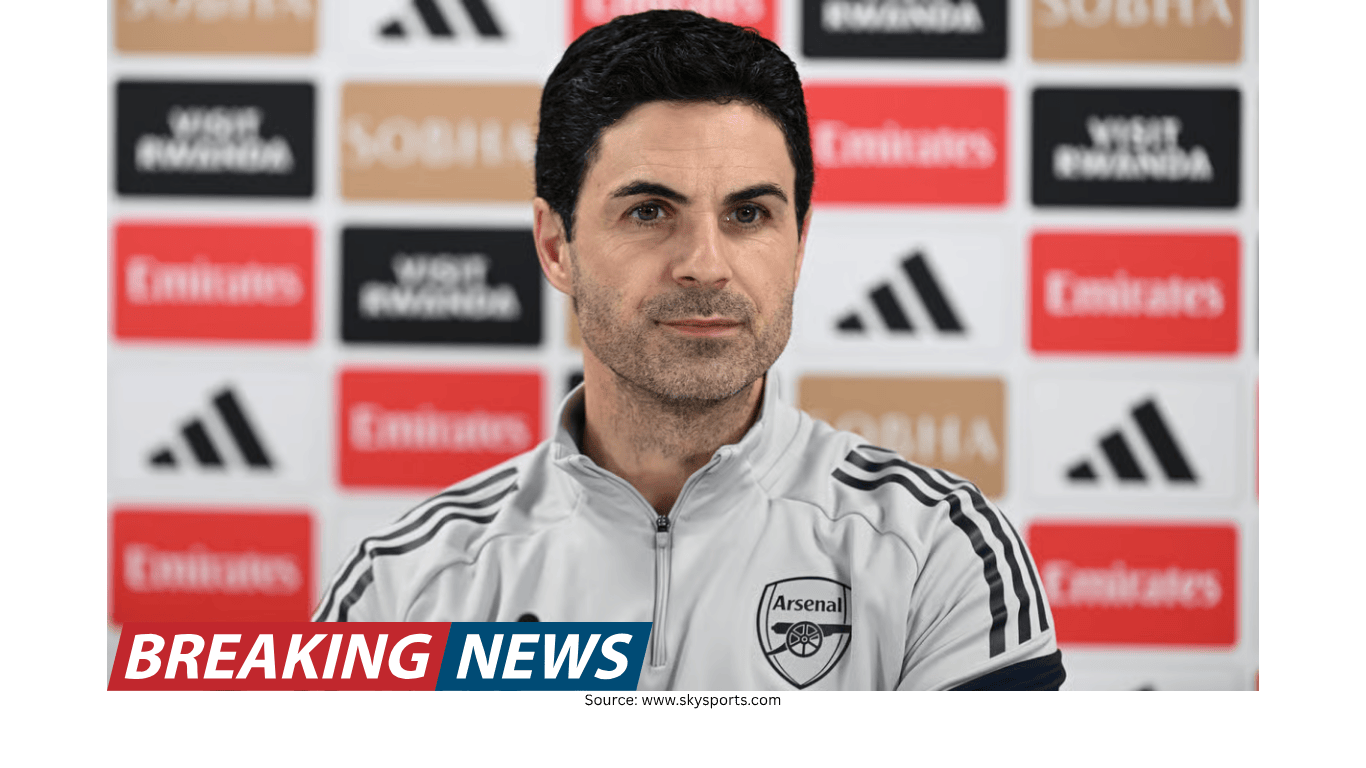
Mikel Arteta had previously framed pain as fuel, suggesting the defeat to City in the league cup final would help Arsenal in the run-in. The challenge now is that maintaining a positive narrative becomes harder when the setbacks stack up, and when the performance that followed did not provide immediate reassurance.
The question that follows every contender: temperament
As Arsenal process the loss at Southampton, the scrutiny naturally turns to mentality. Do they have the temperament of champions? It is a question that tends to surface when a leading side drops out of a competition unexpectedly, particularly when the draw had offered a clear path to progress.
Southampton were lower-league opposition in the last eight, and regardless of recent form, the match represented a significant opportunity. A return to Wembley would have brought another final and a chance to end a six-year wait for a trophy. Instead, Arsenal left the south coast with a defeat that has changed the tone of the season’s final stretch.
There is also a Champions League storyline that, on paper, appears favourable. Arsenal’s quarter-final tie against Sporting has been billed as a good draw, and the first leg is scheduled for Tuesday. Add in a nine-point lead over Manchester City in the Premier League and the picture should look commanding.
Yet football seasons are rarely decided by logic alone. Arsenal’s position remains strong, but their certainty has weakened. Where there had been a sense of cold efficiency, there is now vulnerability, and that shift is what makes the next two weeks feel so defining.
From talk of a quadruple to doubts about winning anything
Momentum in sport is partly about results and partly about belief. Arsenal’s recent setbacks have affected both. The conversation around a potential quadruple has disappeared, replaced by a more basic concern about whether they will win anything at all.
Manchester City’s form has amplified the pressure. Their victory over Arsenal in the Carabao Cup final already felt significant. Then came a 4-0 thumping of Liverpool, a performance that, paired with Arsenal’s tame loss at Southampton, is likely to have raised alarm bells in north London.
The league table still shows Arsenal ahead, but the context matters. City are nine points behind with a game in hand. Arsenal may be leading, but the chasing team has both experience and a track record of closing gaps at the business end of seasons.
The calendar that could shape the title race
The next set of fixtures adds urgency to Arsenal’s situation. With seven league games to play, margins are thinner and the room for error is smaller. Arsenal have a tricky home test with Bournemouth next weekend, then the second leg of the Sporting tie, and then a trip to the Etihad on April 19.
That Etihad meeting is particularly significant because it brings Arsenal face-to-face with the team pursuing them, at a stadium where City’s confidence tends to grow in the decisive phase of a season. It is also a reminder of recent history: Arsenal’s squad and fanbase have been scarred by City hunting them down in previous title races.
In that sense, the pressure is not only about the current league table but also about memory. City have shown they know what it takes to win. Arsenal must show they can respond when the mood around them changes and when the stakes rise.
Individual errors are becoming a theme
When a team begins to wobble, the causes are rarely limited to one factor. For Arsenal, nervousness about taking the final step appears to be showing up in individual mistakes at crucial moments.
At Wembley, a key moment came when Kepa spilled a cross, allowing Nico O’Reilly to score Manchester City’s opener. At St Mary’s, Ben White mistimed his jump, giving Ross Stewart the chance to power in the first goal for Southampton.
The broader pattern is also concerning. According to Opta, Arsenal have now conceded eight goals from errors in the past 23 games. In the 28 games before that, there was just one. That kind of swing points to a team that has become less secure in situations it previously managed well.
Arteta’s post-match comments underlined his frustration with the nature of the defending. Speaking after the Southampton defeat, he highlighted problems dealing with direct play: “We didn’t manage the long balls well enough, which is something very strange. In the first half, we just let the ball through us and they were one against one. The way we concede the second goal was very similar.”
When a manager describes a weakness as “very strange”, it suggests a departure from the team’s normal standards. It also signals a problem opponents may look to exploit, especially if the issue is repeatable.
Selection disruption and defensive cohesion
Arsenal’s defensive stability has been a hallmark of their better periods, which is why recent cracks stand out. There are possible explanations in personnel and continuity.
William Saliba was on the bench on Saturday, and changes at centre-back can affect organisation, timing and communication. There was also disruption behind the backline, with David Raya not playing against City or Southampton. Even small changes in defensive units can have outsized effects, particularly when the team is already under stress.
Whether these factors fully explain the errors is another matter, but the consequence is clear: opposition sides will be zoning in on Arsenal’s ability to handle long balls and second phases, especially if they sense uncertainty.
Injuries and fitness: not overwhelming, but significant
Arsenal’s injury list is not described as the longest it has been, especially given the extent of international withdrawals. Even so, the absences and fitness issues involve important players and key functions within the team.
Gabriel appears to be heading back to the treatment room after suffering a problem at Southampton, which would be a fresh concern in a period where defensive cohesion is already under scrutiny.
Declan Rice and Bukayo Saka were not in the squad on Saturday. Their absence matters in multiple ways. Both are Arsenal’s top set-piece takers, and set pieces can be decisive in tight matches, particularly late in the season when open-play chances can be harder to come by.
There is also an attacking dimension to consider. Eberechi Eze’s absence adds to Arsenal’s open-play limitations, reducing the options available when games become tense or when opponents sit deeper.
There were, however, some signs of players returning. Martin Odegaard made his first start since January 25, and Martin Zubimendi, Noni Madueke and Saliba were able to come on as substitutes. Even with those reinforcements, the overall picture is of a squad that is not fully fit and not fully firing.
Manchester City’s aura in the chase
Manchester City’s current side may not be viewed as being on the same level as some of Pep Guardiola’s greatest teams, but the combination of manager, club and recent experience carries weight. When City are in pursuit of a championship at the business end of a season, they have an aura that affects both them and their rivals.
City’s recent title wins provide a reference point. In 2023, they won 12 matches in a row to take the title by five points from Arsenal. In 2024, a nine-game winning streak earned them the crown by a point ahead of Arsenal. The point now is not that City must replicate those exact runs, but that they have proven they can sustain elite form when pressure is highest.
This season, City may not need a long streak. With only seven games left, a shorter surge could be enough, especially if Arsenal drop points under the strain of injuries, European commitments and the psychological weight of being chased.
City’s performances at Wembley and against Liverpool in their last two outings have given them reason to believe another title charge is on. And belief, at this stage of a season, is a powerful force.
What Arsenal must solve quickly
Arsenal’s position is still one of advantage, but it is no longer comfortable. The issues they need to address are clear and immediate:
Cut out costly errors: The recent increase in goals conceded from mistakes is a trend that must be reversed, particularly with high-stakes matches approaching.
Restore defensive control: Arteta’s concerns about managing long balls and one-v-one situations point to a tactical and organisational problem that opponents may target.
Manage fitness and availability: With key players missing or short of full sharpness, Arsenal need to navigate a demanding run without losing more ground.
Handle the mental test: The shadow of previous title races with City is real. Arsenal must show they can respond to pressure rather than tighten under it.
A defining fortnight for Arteta’s team
Arsenal are still leading the Premier League, still alive in the Champions League, and still in control of their destiny. But control can be fragile when form dips and the schedule compresses.
The next two weeks bring a gruelling examination of character, as well as tactical flexibility and squad depth. Bournemouth at home, Sporting across two legs, and then Manchester City away is a sequence that will test not only Arsenal’s quality but also their resilience.
For Arteta, the task is to steady a team that has looked less dependable at the crucial moment. For the players, the challenge is to turn disappointment into response, and uncertainty into clarity. For everyone watching, the question remains the one that always follows contenders: can they take the final step when the pressure is greatest?